
Indian English Drama: An Overview
Indian English Drama: An Overview
Part 1
 From Classical Roots to Colonial Beginnings
 From Classical Roots to Colonial Beginnings
The history of Indian English drama begins with a striking paradox. India has one of the richest theatrical traditions in the world, rooted in the classical Sanskrit stage, yet modern Indian drama in English did not emerge as a natural continuation of this tradition. Instead, it grew out of the colonial encounter, shaped by foreign influence but also constantly trying to reconnect with its indigenous past. This tension between loss and recovery, imitation and originality, is central to understanding the beginnings of Indian English drama.
Classical Roots and Colonial Rupture
Drama in India has ancient and sacred origins. According to legend, Lord Brahma created drama as the “fifth Veda,” drawing different elements from the four original Vedas—plot from the Rigveda, music from the Samveda, acting from the Yajurveda, and emotions (rasas) from the Atharvaveda. The foundational text of this tradition is Bharata’s Natyashastra, which explains the principles of stagecraft, characterisation, and the aesthetic theory of rasa. Performances based on this tradition often drew inspiration from daily life and epic narratives such as the Ramayana and the Mahabharata.
This flourishing tradition, however, did not survive into the modern period without disruption. From the twelfth century onwards, a series of political changes, including invasions and foreign rule, weakened the continuity of Sanskrit theatre. The decline became more severe under British colonialism. By the eighteenth and nineteenth centuries, indigenous theatre was suppressed, and the colonisers promoted Western models instead. As a result, modern Indian English drama did not grow from an unbroken native tradition; it was born in the shadow of colonial dominance. This absence of continuity meant that later playwrights often looked back to Sanskrit drama and folk forms as a way of reclaiming cultural authenticity and bridging the historical gap created by colonialism.
The Advent of British Rule and the First English Plays
The beginnings of modern drama in India are closely linked to the establishment of British rule. The colonisers brought with them their own theatre culture, and playhouses were set up in major cities for the entertainment of Europeans. The first such theatre was opened in Calcutta in 1756, followed by the Bombay Amateur Theatre in 1776 and the Madras Dramatic Society in 1875. These early stages were dominated by English plays, especially the works of Shakespeare, which became highly popular among both the British and educated Indian elites.
Indian participation initially took the form of staging English translations of Sanskrit classics. For example, in 1831, Bhavabhuti’s Uttara Ramacharitam was performed in translation at a Calcutta theatre. Around the same time, the first Indian play written in English appeared: Krishna Mohan Banerji’s The Persecuted (1831). This work is remembered as the historical “first,” but it remained little more than a curiosity. It did not yet give the new form an authentic voice.
The real turning point came four decades later with Michael Madhusudan Dutt’s play Is This Called Civilization? (1871). Dutt moved beyond imitation and used the English language to critique social realities in India. The very title of his play was a direct challenge to colonial claims of “civilising” the colonised. With this work, Indian English drama acquired a new sense of seriousness and authenticity. For the first time, the stage became a space for Indians to speak back to colonial power and reflect on their own society.
Pioneering Voices of the Pre-Independence Era
The early twentieth century marked the next important phase in the evolution of Indian English drama. Writers of this period began to infuse the form with philosophical depth, nationalist spirit, and cultural richness. They showed that English could serve as a medium for distinctly Indian expression.
Rabindranath Tagore was the most prominent figure of this era. Although he wrote primarily in Bengali, many of his plays were translated into English and became central to the development of Indian English Drama. Works such as Chitra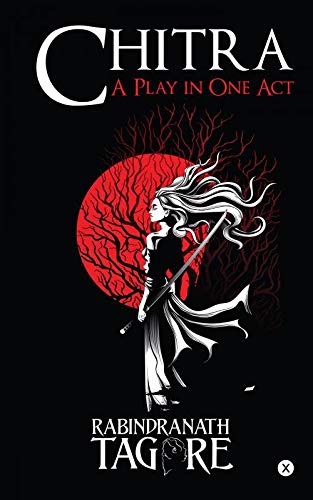 , The Post Office,
 and Sacrifice
 are admired for their spiritual depth and symbolic style. Tagore’s theatre combined elements from Bengali folk traditions, Sanskrit drama, and Western symbolism, particularly reminiscent of the Irish playwright W. B. Yeats, with whom Tagore shared an affinity.
Another influential playwright was Sri Aurobindo. His plays, including Perseus the Deliverer and The Viziers of Bassora,
 were written in English and modelled on the Elizabethan tradition. They often blended mythological themes with metaphysical ideas, reflecting his background as both a philosopher and a poet. His works gave Indian English drama a grand, intellectual character. Equally significant was Bharati Sarabhai, one of the first women dramatists in India. Her plays The Well of the People and Two Women were inspired by Gandhian philosophy and carried strong social messages. By bringing questions of women’s rights and social justice to the stage, Sarabhai expanded the thematic concerns of Indian drama.
Together, these pioneers transformed Indian English drama from a colonial experiment into a legitimate literary form. They used the English language, once seen only as the coloniser’s tongue, to express Indian thought, culture, and identity. This act of creative reclamation laid the foundation for later generations of playwrights who would continue to experiment with themes, forms, and languages.
Conclusion to Part 1
The colonial beginnings of Indian English drama reveal a history of struggle, adaptation, and creativity. From the sacred roots of Sanskrit theatre to the disruptions of colonial rule, and from the imitative beginnings of Banerji to the bold voices of Tagore, Aurobindo, and Sarabhai, the genre steadily gained confidence and legitimacy. By the time India approached independence, drama in English was no longer a foreign curiosity but an important platform for cultural expression and intellectual debate.
Suggested Further Reading
- Ananda Lal, The Oxford Companion to Indian Theatre.
- Asha Kuthari Chaudhuri, Contemporary Indian Writers in English: Mahesh Dattani.
- Aparna Bhargava Dharwadker, Theatres of Independence: Drama, Theory, and Urban Performance in India since 1947.
***
Part 2
The Post-Independence Awakening
 The Post-Independence Awakening
The period following India’s independence in 1947 marked a new beginning for Indian English drama. After decades of colonial dominance, Indian playwrights could finally explore their own voices more freely, even though English still carried traces of its colonial past. The stage became a place not only for storytelling but also for questioning social structures, exploring personal conflicts, and experimenting with new dramatic forms. This phase can be described as an “awakening,” when drama in English developed from an uncertain experiment into a recognised part of Indian literature.
From Colonial Imitation to Native Expression
During the early years of independence, Indian dramatists moved away from imitating Western models and instead began to represent the lived experiences of Indians in their own context. Playwrights tried to combine the English language with Indian settings, characters, and problems, thus creating a hybrid form that was neither entirely Western nor purely traditional.
One of the pioneers of this shift was Asif Currimbhoy. He was the first Indian playwright to write extensively and exclusively in English, producing more than thirty plays across a variety of themes. His works included political plays such as The Refugee and Sonar Bangla, which reflected on the Partition of India and the creation of Bangladesh; historical plays such as Goa; and plays dealing with social issues, such as The Doldrummers. Currimbhoy’s use of direct, conversational English gave his plays a modern, realistic tone, and his work is often credited with giving Indian English drama its first truly professional voice.
Experimentation and New Themes
The post-independence period was also marked by experimentation in both form and content. Playwrights addressed themes that were often ignored in traditional theatre—urban alienation, generational conflict, women’s struggles, and the clash between modernity and tradition.
Nissim Ezekiel, better known as a poet, also made significant contributions to drama in English. His plays such as Nalini, The Sleepwalkers, and The Marriage Poem revealed the anxieties of middle-class life in Indian cities. Written in a plain but sharp style, his works captured the tensions between aspiration and frustration in a rapidly modernising society. Girish Karnad, though writing primarily in Kannada, also wrote plays that were translated into English and gained international recognition. Works such as Tughlaq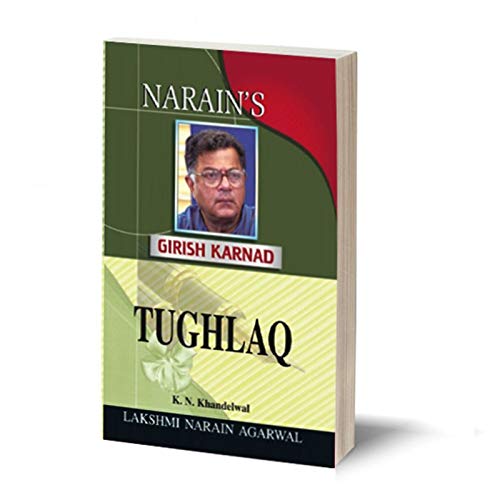 and Hayavadana
 used historical and mythical settings to explore issues of identity, power, and human desire. His plays demonstrated how traditional Indian stories could be reimagined in modern dramatic forms, influencing later English dramatists as well. Similarly, Vijay Tendulkar, who wrote in Marathi, had his plays translated into English, widening the reach of his socially charged dramas. His famous work Silence! The Court is in Session
 revealed the hypocrisies of middle-class morality and the treatment of women in society.
Although not all these playwrights wrote directly in English, their influence was deeply felt in Indian English drama. The translations helped create a larger theatrical culture in which English drama could grow alongside works in regional languages.
Towards Professional Theatre
Another important development of this period was the slow but steady professionalisation of theatre in India. Theatre groups in cities like Mumbai, Delhi, Bangalore, and Kolkata began to stage Indian English plays more regularly. These productions brought Indian English drama out of the private circle of universities and elite clubs and into a broader cultural space.
Yet challenges remained. Unlike poetry and fiction, Indian English drama did not gain the same level of popularity among readers or publishers. Drama is a performing art, and in India, audiences tended to prefer plays in their mother tongues rather than in English. As a result, Indian English drama often remained confined to an educated urban elite.
Conclusion to Part 2
The post-independence awakening gave Indian English drama a new sense of life and relevance. Writers such as Asif Currimbhoy and Nissim Ezekiel proved that the stage could represent Indian concerns in English without losing authenticity. The influence of regional playwrights like Girish Karnad and Vijay Tendulkar also enriched the field. Even if Indian English drama faced limitations of audience and scale, the post-independence era established it as a serious and creative literary form, laying the groundwork for later developments in the late twentieth century.
Suggested Further Reading
- Asif Currimbhoy, The Refugee.
- Nissim Ezekiel, Nalini and Other Plays.
- Girish Karnad, Tughlaq.
- Vijay Tendulkar, Silence! The Court is in Session.
***
Part 3
The Modern Breakthrough (Late 20th Century)
 The Modern Breakthrough (Late 20th Century)
By the 1980s and 1990s, Indian English drama entered what can be called its modern breakthrough. This period gave rise to a set of playwrights who not only wrote in English with confidence but also addressed issues that were immediate, bold, and socially relevant. Unlike the early pioneers, these dramatists were not preoccupied with proving that Indians could write in English; instead, they used the language as a natural tool to engage with contemporary realities. This phase marked the maturity of Indian English drama as a serious artistic form.
Mahesh Dattani: A Voice for the Margins
The most important name in this breakthrough is Mahesh Dattani. In 1998, he became the first Indian playwright writing in English to receive the prestigious Sahitya Akademi Award for Literature. His recognition signaled the arrival of Indian English drama on the national literary map.
Dattani’s plays stand out for their courage in addressing issues often ignored or silenced in Indian society. Works such as Final Solutions, Bravely Fought the Queen , Dance Like a Man
 , and On a Muddy Night in Mumbai Tughlaq
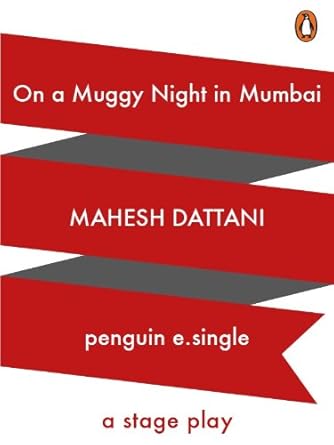 deal with communal tensions, gender roles, middle-class hypocrisy, and LGBTQ+ identities. His theatre brings the private and the public together, showing how family conflicts often reflect larger social anxieties.
Stylistically, Dattani blends realism with sharp dialogue and stagecraft suited for urban Indian settings. His plays are not distant or mythical but rooted in the everyday experiences of contemporary India. By focusing on the margins—women, queer identities, minorities—he gave Indian English drama both social urgency and emotional depth.
New Voices and Expanding Horizons
Alongside Dattani, several other playwrights added variety and experimentation to modern Indian English drama.
- Manjula Padmanabhan gained international recognition with her play Harvest (1997), which won the Onassis Prize for Theatre in Greece. The play, a dystopian satire on globalisation, explores how the human body itself can become a commodity in a world driven by economic inequalities.
- Poile Sengupta wrote plays like Mangalam, focusing on social justice and women’s issues. Her work combined accessible language with strong moral questioning.
- Vijay Tendulkar’s plays continued to reach global audiences through English translations, influencing Indian English theatre with their fearless engagement with violence, power, and sexuality.

Together, these playwrights expanded the horizons of Indian English drama, connecting it not only to Indian audiences but also to international stages.
Drama as a Mirror of Modern India
The modern breakthrough also reflected India’s changing society. The late twentieth century was a period of rapid urbanisation, globalisation, and shifting values. Indian English drama responded to these changes by staging the conflicts between tradition and modernity, between individual freedom and social conformity. Unlike the earlier periods, when drama often borrowed heavily from classical or historical themes, modern playwrights dealt directly with the “here and now.” Questions of identity, sexuality, religious conflict, and economic exploitation found their way to the stage, making theatre a mirror of modern India.
Challenges and Achievements
Despite its artistic growth, Indian English drama still faced challenges. It did not attract the same readership as Indian English fiction, nor did it always find large audiences in theatres dominated by regional-language plays. However, the recognition of playwrights like Mahesh Dattani and Manjula Padmanabhan proved that Indian English drama had secured a place of its own in world literature.
Conclusion to Part 3
The modern breakthrough of the 1980s and 1990s gave Indian English drama its strongest identity so far. With Mahesh Dattani at the forefront, and with writers like Manjula Padmanabhan and Poile Sengupta broadening its scope, drama in English became an important platform for exploring India’s contemporary social challenges. By this stage, Indian English drama was no longer an experiment or a marginal genre—it had matured into a confident and meaningful expression of Indian life in a global context.
Suggested Further Reading
- Mahesh Dattani, Collected Plays (Volumes 1 and 2).
- Manjula Padmanabhan, Harvest.
- Erin B. Mee, Theatre of Roots: Redirecting the Modern Indian Stage.
***
Part 4
Contemporary Trends in the 21st Century
 Contemporary Trends in the 21st Century
Indian English drama in the twenty-first century has entered a stage of experimentation, diversity, and global reach. While earlier phases struggled with legitimacy and audience, contemporary theatre in English has become more confident, drawing freely on multiple influences. Playwrights today address not only local and national concerns but also global issues, making Indian English drama part of the wider conversation in world theatre.
Diversity of Themes
Contemporary playwrights explore a wide range of themes, often moving beyond the traditional binaries of colonial versus indigenous or modernity versus tradition. The subjects include urban alienation, diaspora identities, ecological concerns, gender and sexuality, and the challenges of globalisation.
For example, Mahesh Dattani continues to remain active, refining his focus on middle-class family life and hidden social tensions. Younger playwrights like Abhishek Majumdar experiment with political theatre, producing plays such as The Djinns of Eidgah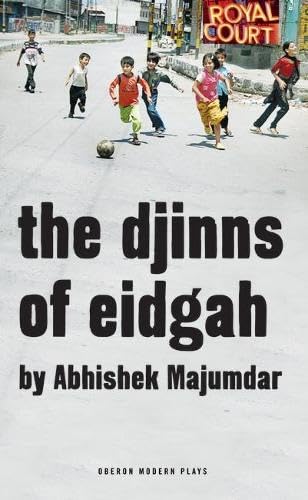 and Pah-la
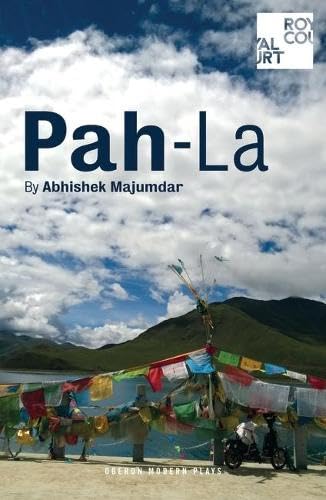 , which tackle sensitive issues like conflict in Kashmir and Tibetan resistance. Their work demonstrates that Indian English drama has become bold enough to engage directly with politically charged realities.
Blending Tradition and Experimentation
One striking feature of contemporary Indian English drama is its openness to blending forms. Playwrights combine Western dramatic techniques with Indian folk traditions, oral storytelling, music, and multimedia. This experimentation reflects both India’s rich cultural heritage and the influence of global theatre movements. For instance, some contemporary productions make use of minimalistic staging, physical theatre, and multimedia projections to connect with new generations of audiences. At the same time, others revive folk and regional performance styles, showing how traditional elements can coexist with modern theatrical language.
Global Platforms and Diaspora Voices
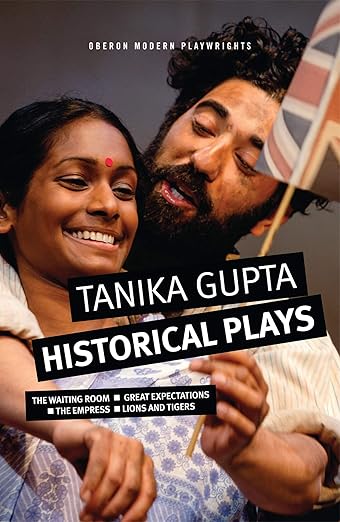
Indian English drama today also finds a strong presence on global stages. Theatre groups travel internationally, and plays are staged in festivals across Europe, America, and Asia. This global exposure has expanded the audience for Indian dramatists and given them the opportunity to collaborate across cultures. Diaspora playwrights, too, contribute significantly to this trend. Writers of Indian origin living abroad—such as Tanika Gupta in the UK or Mira Nair (though better known as a filmmaker)—explore questions of identity, migration, and cultural hybridity. Their works extend the scope of Indian English drama beyond national borders, situating it within the larger South Asian and global context.
Challenges in the Contemporary Scene
Despite its achievements, contemporary Indian English drama still faces challenges. The reach of theatre in English within India remains limited, as most audiences prefer performances in their regional languages. Moreover, the high costs of staging plays and the dominance of cinema and digital entertainment mean that theatre often struggles for attention. Nevertheless, the very survival and growth of Indian English drama in such conditions testify to its resilience and adaptability. Playwrights continue to find innovative ways of connecting with audiences, whether through smaller experimental productions, online platforms, or international collaborations.
Conclusion to Part IV
In the twenty-first century, Indian English drama has matured into a vibrant and varied form. No longer bound by the anxieties of imitation or legitimacy, it now speaks with confidence about both local and global concerns. From Mahesh Dattani’s continued explorations of social tensions to the politically charged works of Abhishek Majumdar and the contributions of diaspora voices, Indian English drama today reflects the complexity of a rapidly changing world. Its blend of tradition and experimentation ensures that it remains an evolving, living art form.
Suggested Further Reading
- Erin B. Mee and Helene Cixous (eds.), Theatre of Roots: Redirecting the Modern Indian Stage.
- Aparna Dharwadker, Theatres of Independence.
- Abhishek Majumdar, The Djinns of Eidgah.
- Tanika Gupta, The Waiting Room.
***
Part 5
Conclusion
 Conclusion
The journey of Indian English drama tells a story of disruption, adaptation, and creativity. Unlike Indian fiction or poetry in English, which developed more smoothly, drama faced unique challenges because of its performative nature. It had to find an audience in a country where most people preferred theatre in regional languages, and it had to grow under the shadow of colonial influence. Yet, despite these obstacles, Indian English drama has carved out a distinct identity.
From Roots to Reclamation
The earliest stage of this journey reveals a deep rupture. While India’s classical tradition of Sanskrit drama was one of the richest in the world, the continuity of that tradition was broken by foreign invasions and, later, by colonial rule. When modern drama in English began in the nineteenth century, it started as an imitation of Western theatre, performed mostly for British audiences. However, through figures like Michael Madhusudan Dutt, Rabindranath Tagore, and Sri Aurobindo, Indian English drama began to reclaim its own voice, using English not as a borrowed tongue but as a medium for expressing Indian thought and culture.
Growth After Independence
After 1947, the genre developed more confidence. Playwrights such as Asif Currimbhoy and Nissim Ezekiel brought realism and social engagement to the stage, while regional masters like Girish Karnad and Vijay Tendulkar influenced English drama through translations. This period laid the foundation for a professional theatre culture in India, even if English-language productions were limited to urban elites.
The Modern Breakthrough
By the late twentieth century, playwrights such as Mahesh Dattani and Manjula Padmanabhan gave Indian English drama global recognition. Their plays dealt with urgent issues—gender, sexuality, communal violence, globalisation—bringing silenced voices to the centre. For the first time, Indian English drama gained both national awards and international attention, proving itself as a serious part of Indian literature.
Contemporary Vibrancy
In the twenty-first century, Indian English drama has become diverse, experimental, and globally connected. Playwrights like Abhishek Majumdar engage directly with political conflict, while diaspora writers such as Tanika Gupta bring cross-cultural perspectives. The blending of folk traditions, multimedia, and experimental forms ensures that Indian English drama remains dynamic and adaptable in an age of rapid change.
Conclusion
Indian English drama may never achieve the mass popularity of Indian fiction or cinema, but its importance lies in its depth and courage. From reclaiming the lost glory of Indian theatre to addressing the most pressing social and political issues of today, it has consistently reflected the struggles and aspirations of Indian society. Its journey from imitation to authenticity, from elite stages to global platforms, highlights the resilience of Indian creativity in the face of disruption.
Indian English drama is not just a record of plays but a mirror of modern India itself—its tensions, transformations, and hopes. Studying it offers insights into how literature interacts with society, how global and local cultures meet, and how art survives and grows even in difficult conditions.
Suggested Further Reading
- Aparna Bhargava Dharwadker, Theatres of Independence.
- Ananda Lal (ed.), The Oxford Companion to Indian Theatre.
- Erin B. Mee, Theatre of Roots.
- Mahesh Dattani, Collected Plays.
Want to check your UGC NET/JRF preparation? Take these fun and engaging quiz to see how well you’re doing!
If you are looking forward to prepare for UGC NET/JRF, you may find this article useful.
Here is a detailed list of topics you need to cover for your NET preparation.
©2025. Md. Rustam Ansari [profrustamansari@gmail.com]


Test